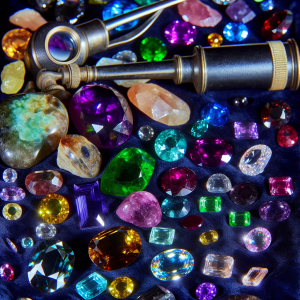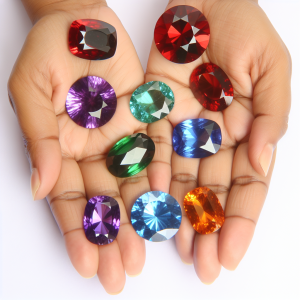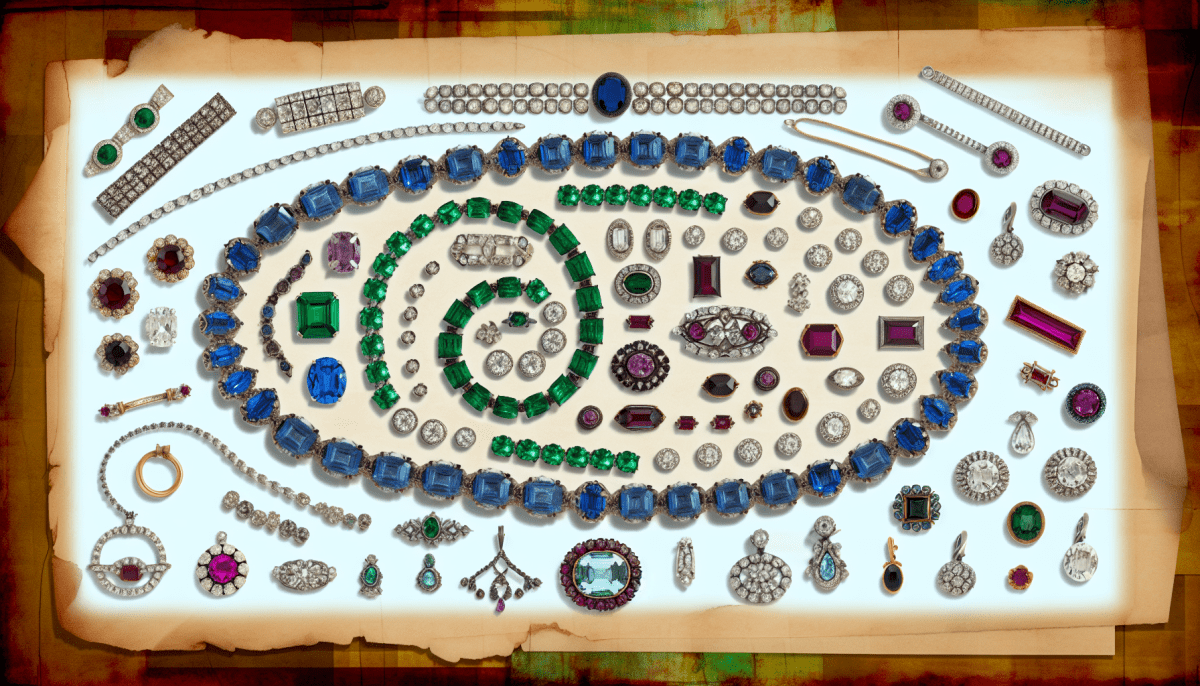
Gemstone jewelry has a rich history that stretches back thousands of years. Ancient civilizations valued these beautiful stones not only for their eye-catching colors and brilliance but also for their believed mystical properties. The Egyptians, for instance, used gemstones like turquoise and lapis lazuli in their jewelry and burial sites, thinking they held protective powers in the afterlife.
In ancient Greece and Rome, gemstones took on different meanings. Greeks associated certain stones with gods and goddesses, while Romans used them as status symbols. The way people adorned themselves with gemstone jewelry reflected their wealth and social standing. Think of it as an early form of celebrity culture, where wearing specific gemstones could make a statement.
As time passed, the Middle Ages saw a shift. Gemstones became intertwined with the church, symbolizing divine connection and purity. People wore pieces that featured religious motifs, often accented with stunning gems. During this period, the art of jewelry-making became more sophisticated, with stones being cut and polished to enhance their shine.
Fast forward to the Renaissance, and gemstones were all the rage once again. This was a time of exploration and rediscovery, leading to a revival of gemstone artistry. People loved displaying their wealth through lavish, intricate designs that featured a wide variety of gems. It was during this era that the practice of using gemstones to symbolize emotions and ideas became popular, laying the groundwork for modern meanings behind jewelry today.
Popular Gemstones Over the Years
Gemstones have always held a special place in our hearts and cultures. Over the years, certain stones have risen to fame, each with its own story and charm. Let’s take a little stroll through time and discover some of the most popular gemstones that have captured people's imaginations.
First up, we have emeralds. Known for their lush green hues, emeralds have been adored since ancient times. Cleopatra was famous for her love of these vibrant stones. They’re often associated with renewal and growth, making them a favorite not just in jewelry, but in many cultures around the world.
Next on the list is the classic diamond. Often seen as the symbol of love and commitment, diamonds have dazzled people for centuries. From engagement rings to statement pieces, their brilliance is unmatched. It’s hard to resist their sparkle, which is why they’ve remained a staple in jewelry collections everywhere.
Let’s not forget sapphires! These stunning blue stones have a rich history, too. During the Middle Ages, clergy members believed sapphires protected their souls and symbolized heaven. Today, sapphires are cherished for their beauty and quality, available in different colors, making them versatile for all kinds of jewelry.
Finally, we can’t overlook rubies, the queen of gemstones. With their deep red colors, rubies symbolize passion and vitality. They’ve been treasured by royalty and worn in crowns, adding a touch of elegance to their beauty. Rubies not only look great but also carry a feeling of strength and power, making them a true favorite through the ages.
Cultural Significance of Gemstone Jewelry
Gemstone jewelry has always held a special place in various cultures around the world. It’s fascinating to see how different societies have viewed and used these beautiful stones throughout history. In many cultures, gemstones are not just pretty accessories; they carry deep meanings and are often associated with specific beliefs and traditions.
For instance, in ancient Egypt, turquoise and lapis lazuli were more than just fashionable. They symbolized prosperity and protection, often used in burial rituals to safeguard the deceased in the afterlife. Similarly, many Native American tribes believed that certain stones, like turquoise, held powerful protection and healing properties, integrating them into their rituals and ceremonies.
In India, gemstones have been part of jewelry for thousands of years, each stone linked to specific zodiac signs and astrological beliefs. You’ll find rings, necklaces, and bracelets adorned with stones that are thought to enhance luck and provide strong energy to the wearer. Jade holds a special significance in Chinese culture, representing purity and moral integrity, and it's often used in various forms of art and jewelry.
Even in modern times, gemstones remain popular not just for their beauty but for their meanings. Birthstones are a notable example, allowing individuals to wear pieces that feel personal and special. Whether it’s a sapphire for September or a ruby for July, these stones connect people to their heritage and celebrate their individuality. When we wear gemstone jewelry, we’re often embracing a piece of history along with a touch of personal significance.
Selecting the Right Gemstone for You
Selecting the right gemstone can feel overwhelming, especially with so many options out there. Each gemstone carries its own unique vibe and meaning, so picking one that speaks to you is key. Think about what resonates with you personally. Are you drawn to vibrant colors or softer, more muted tones? Your preference can guide you toward the right choice.
Consider the occasion for your gemstone jewelry. If you’re looking for something to wear every day, choose a durable stone like sapphire or garnet. If it’s for a special event, a more delicate stone like opal or moonstone might be perfect to add some flair. And remember, some stones are more unique in appearance, like tanzanite or alexandrite, which can make for an eye-catching piece!
Another aspect to keep in mind is the birthstone tradition. Many people love to wear their birthstone as a personal touch. For instance, if you’re born in June, you might be interested in pearls or alexandrite. Even if it’s not your birth month, choosing a stone that represents something meaningful in your life, like a loved one’s birthstone, can add a sentimental touch to your jewelry.
Lastly, don’t forget to think about the setting and metal that will accompany your gemstone. A stunning emerald might shine brightest in a yellow gold setting, while a sleek diamond can look fantastic with white gold or platinum. The combination can really enhance the overall look of the piece, so take your time to visualize how it will all come together!